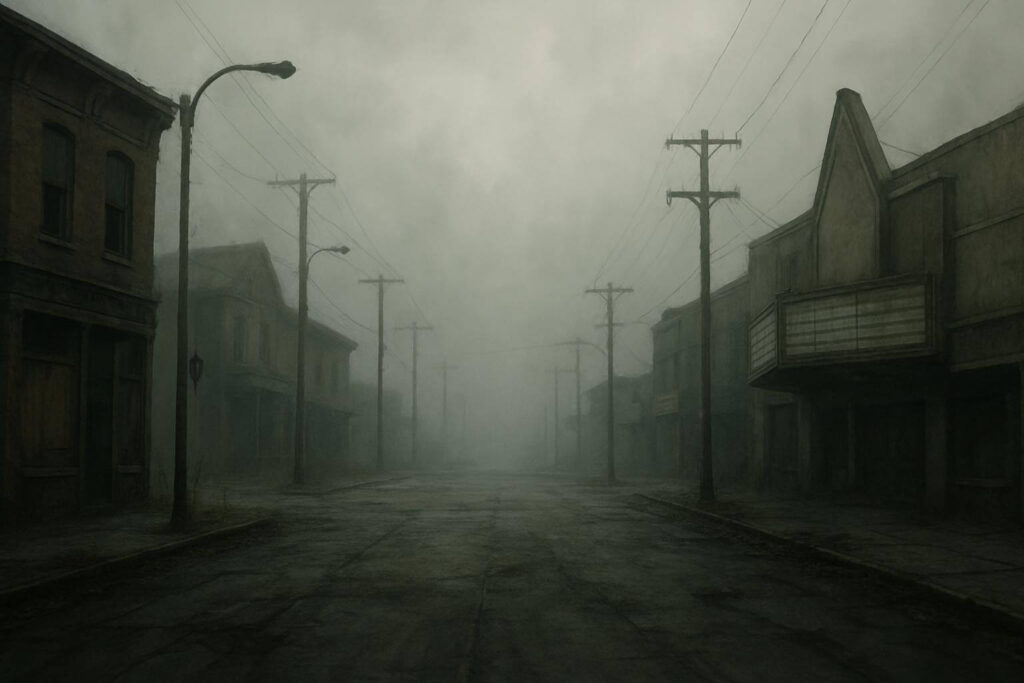
Return to Silent Hill pulls players back into the fog-shrouded streets with a haunting precision. From the moment you step off the train, the town feels alive in its decay. Shadows cling to every corner, and the air is thick with tension. This is not just a game; it is an experience that seeps under your skin. Unlike past entries, the horror here feels personal, intimate, and uncomfortably close. Each step is measured, each sound amplified, and the atmosphere never lets go. For fans, it is a homecoming wrapped in dread, and for newcomers, it is a chilling initiation.
Return to Silent Hill Review: Story That Lingers
The narrative of Return to Silent Hill strikes with subtlety. It does not shout its horrors; it whispers them in fleeting glimpses. You play as a character searching for lost connections and buried memories. The town itself becomes a reflection of inner fears, a mirror to unresolved guilt and sorrow. The story unfolds slowly, teasing players with half-seen horrors and cryptic notes. This game refuses to handhold. You must pay attention to the world around you and the fragmented diary entries scattered throughout. It is a narrative that lingers in the mind long after the screen goes dark, leaving questions that echo through sleepless nights.
Return to Silent Hill Review: Atmosphere and Fear
Silent Hill has always excelled in atmosphere, and this installment elevates it. The fog is more than visual; it is a presence that presses against your chest. Music and sound design twist together in a way that keeps your pulse racing. The familiar industrial hum of distant machinery, the sudden scraping noises, the cries that echo from the shadows—all create an oppressive weight. Visuals support the terror without overdoing it. The town is decayed but alive, with every peeling wall and shattered window telling a story of loss. It is a world where every corner might hide something horrifying, and the dread never lets up.
Return to Silent Hill Review: Gameplay That Breathes
Gameplay in Return to Silent Hill blends tension with measured exploration. Combat feels dangerous and limited; you cannot simply charge through the horrors. Each encounter demands thought and caution. Puzzles are smartly integrated into the environment, rewarding careful observation rather than brute force. The mechanics serve the story, never overshadowing it. There is a rhythm to the fear, a push and pull between curiosity and caution. You are never fully safe, even in moments of calm. That tension becomes addictive, pulling you deeper into the narrative and the emotional core of the experience.
Return to Silent Hill Review: Emotional Resonance
Where Return to Silent Hill truly shines is in its emotional impact. Horror here is intertwined with empathy and loss. You are not just fighting monsters; you are confronting fragments of human despair. The town’s haunting nature becomes a reflection of the character’s inner struggle. Moments of quiet reflection punctuate the terror, giving weight to the story and making the scares more profound. You leave the game with more than adrenaline; you carry the echoes of sorrow and fear. The ending does not offer easy answers, and that ambiguity makes the journey linger like a ghost in your memory.
Return to Silent Hill is a masterclass in psychological horror. It balances fear, narrative, and atmosphere with delicate precision. It respects the legacy of the series while daring to explore deeper emotional territories. Players will find themselves both terrified and moved, haunted by the town and its stories long after the console powers down. This is more than a horror game; it is a journey through the shadows of the human psyche. It demands attention, courage, and empathy. Silent Hill has returned, and it does not forgive.
About the Author