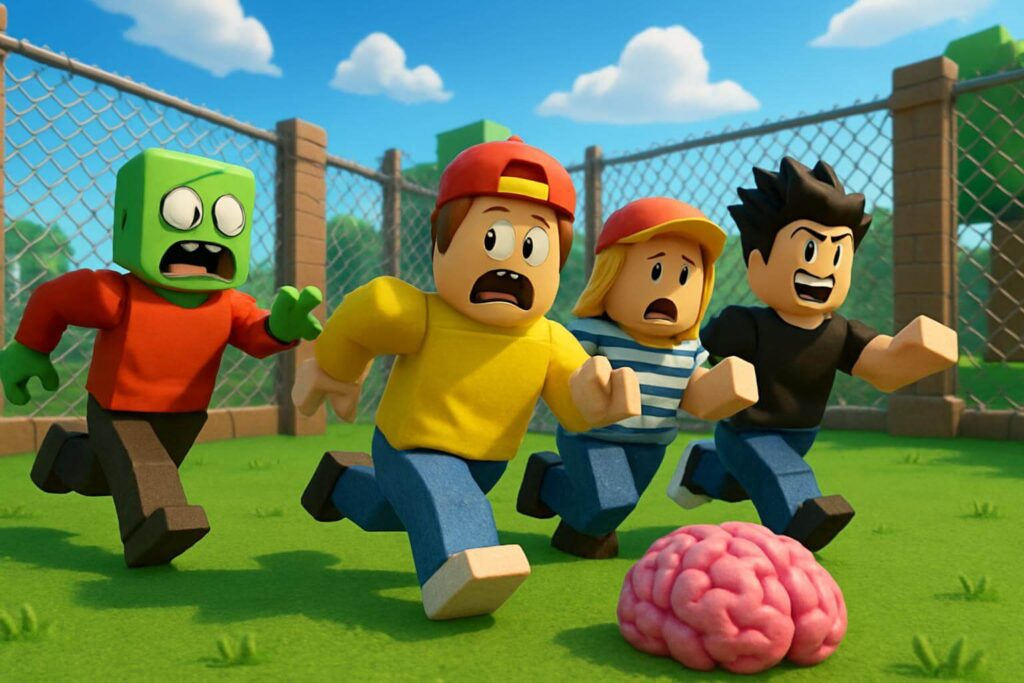
The Wild World of Steal a Brainrot in Roblox exploded into popularity at lightning speed. Players rushed in for chaos, memes, and fast rewards. The game felt loud, silly, and unpredictable. But as the player count grew, so did the criticism. What started as wild fun soon turned into one of the most debated Roblox experiences. The controversy did not come from one issue. It came from many angles at once.
The Wild World of Steal a Brainrot in Roblox and Emotional Fallout
At the center of the controversy sits the game’s core mechanic. Players steal Brainrots from each other. Losing one can wipe out hours of progress. For adults, that feels annoying. For kids, it feels devastating.
Clips spread online showing young players crying or panicking after losing rare Brainrots. These moments fueled strong reactions. Critics argued the game design pushes emotional stress on children. The theft mechanic feels personal. It happens suddenly. There is little protection for new players.
Supporters pushed back. They said competition is part of gaming. They argued the chaos makes the experience exciting. But the emotional clips changed public perception. The Wild World of Steal a Brainrot in Roblox began to look less harmless and more exploitative to outsiders.
The debate continues. Is it just playful chaos, or is it emotional manipulation wrapped in memes.
Pay to Win Fears Inside The Wild World of Steal a Brainrot in Roblox
Money became the next flashpoint. The game offers paid advantages. These include better defenses, faster progress, and protection tools. Players who spend currency can lock down their bases. Free players often cannot.
Parents raised concerns. Young players spend money to protect Brainrots. Those Brainrots can still be stolen later. Critics called this a trap. Spend money. Feel safe. Lose everything anyway.
Many players labeled the system pay to win. Others called it pay to survive. The gap between paying and non-paying players widened fast. That imbalance created frustration. It also fed toxic behavior.
Defenders of the game argued monetization exists everywhere. They claimed players choose whether to spend. Still, the controversy stuck. The Wild World of Steal a Brainrot in Roblox became a symbol of how monetization and competitive pressure collide in kid-focused games.
Legal and Copyright Storms Around Steal a Brainrot
The controversy did not stop inside the game. Legal issues spilled into public view. One popular Brainrot character vanished suddenly. Players noticed immediately. Rumors spread. Developers later confirmed copyright concerns.
That removal upset the community. The character had become iconic. Its absence felt like a hole in the game’s identity. Players questioned how much of the content was truly original.
Things escalated when copycat games appeared elsewhere. The developers responded with legal action. They claimed their concept had been stolen. This sparked debate across the gaming community.
Some argued irony filled the situation. A game about stealing now fought over stolen ideas. Others defended the developers. They said originality deserves protection.
These disputes added another layer of controversy. The Wild World of Steal a Brainrot in Roblox now faced questions about creativity, ownership, and where inspiration ends.
Toxic Play and the Cultural Debate Around Brainrot
Player behavior became another problem. Scams increased. Fake trades appeared. Players tricked others into losing rare Brainrots. Chat logs showed insults and threats. The competitive design encouraged aggression.
Moderation struggled to keep up. Younger players often fell victim. Older players exploited the chaos. Critics argued the environment rewarded cruelty.
Beyond behavior, a cultural debate emerged. The term “brainrot” itself sparked discussion. Some parents and educators criticized the game’s meme-driven style. They said it promoted low attention spans and shallow engagement.
Supporters dismissed the concern. They viewed the game as satire. They said absurdity is the point. Roblox culture thrives on nonsense and speed.
Still, the criticism lingered. The Wild World of Steal a Brainrot in Roblox became a symbol of a bigger issue. Fast content. Loud design. Endless dopamine.
A Game Caught Between Fun and Fire
The controversy over The Wild World of Steal a Brainrot in Roblox is not simple. The game delivers excitement. It also delivers frustration. It thrives on chaos. That same chaos fuels backlash.
Some players love the madness. Others want stronger limits and better protection. The debate reflects a growing tension in online games for young audiences.
Steal a Brainrot did not invent these problems. It amplified them. That is why it remains at the center of the conversation.
About the Author